Stuffed Teddy Bear: A Real-World Embroidery Review
As a designer who has spent years turning digital files into tangible, high-value handmade products, I approach every new machine embroidery design with a mix of excitement and skepticism. We are constantly looking for that perfect balance between charm and technical feasibility. When I first laid eyes on the Stuffed Teddy Bear, my initial reaction was one of genuine warmth. It isn't just another generic animal motif; it carries a specific mood that screams nostalgia and comfort. For anyone running a craft business or selling on platforms like Etsy, this design feels like it was crafted specifically to bridge the gap between a hobbyist's heart and a professional's output.
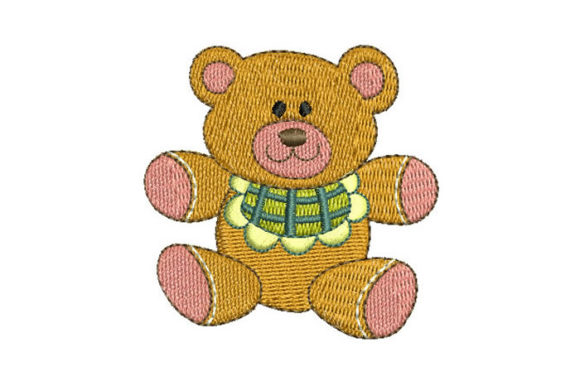
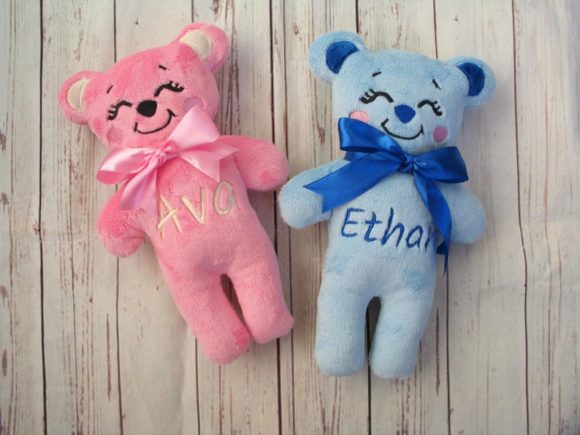
The visual personality of the Stuffed Teddy Bear is its strongest asset. It doesn't try to be hyper-realistic or overly complex in a way that might frustrate your machine or overwhelm the fabric. Instead, it leans into the soft, rounded aesthetic of a classic plush toy. This makes it incredibly versatile for baby embroidery projects, nursery decor, and personalized gifts. The layout suggests a friendly, approachable character that customers will immediately recognize and connect with. When you think about the emotional value of a finished product, designs like this often command higher prices because they evoke a sense of care and thoughtfulness that mass-produced items simply cannot match.
From Digital File to Finished Product: A Practical Scenario
To truly understand how this design performs, we need to move beyond the screen and imagine it in a real-world production environment. Let's say I am preparing a custom order for a boutique baby shower gift. The client wants something unique for a onesie, but she also needs a matching tote bag for the parents-to-be. This is where the Stuffed Teddy Bear proves its worth as a cohesive brand element.
On a soft cotton onesie, the design would likely shine. The curves of the bear translate beautifully to the gentle slopes of a baby garment. However, the real test comes when considering the tote bag design. If I were to stitch this onto a canvas tote, the contrast between the sturdy fabric and the whimsical bear creates an instant visual story. It transforms a simple utility item into a keepsake. Customers don't just buy a bag; they buy the feeling of carrying something cute and safe. In a small shop product line, having a signature motif like this helps build recognition. When a customer sees the bear on a pillow cover, then again on a kitchen towel, they begin to trust the brand identity.
I also considered using this for a holiday gift scenario. Imagine a set of embroidered patches featuring the bear, attached to denim jackets or caps. The versatility here is significant. The design works well as a standalone focal point or as part of a larger collection. For an Etsy seller, this means creating mockups that show the design in various contexts—a sweatshirt, a hat, a blanket—without needing to physically produce every single item. The clean lines and clear shapes make it excellent for printable mockups, allowing you to visualize the final look before you even cut the thread.
Technical Performance and Stitch Clarity
When evaluating any embroidery file, the devil is always in the details. How does the stitch density hold up? Does the design require excessive trimming? The Stuffed Teddy Bear appears to utilize a smart combination of satin stitch for outlines and definition, paired with fill stitch for the body to give it that plush, stuffed appearance. This technique choice is crucial for texture. If the fill stitch is too dense, the fabric might pucker, especially on thin materials. If it is too sparse, the design looks flat and loses its "stuffed" illusion.
In my experience, designs intended for children's wear must withstand frequent washing. The structural integrity of the stitching matters immensely. I would advise checking the running stitch areas carefully. These are often used for small details like buttons or eyes, and if they are not secured properly, they can unravel over time. For a commercial embroidery project, durability is non-negotiable. You want the finished product to look as good after ten washes as it did on day one.
Another critical factor is the thread colors. The success of this design relies heavily on the color palette chosen by the embroiderer. A light-colored bear on a dark background requires careful consideration of underlay stitches to prevent the fabric from showing through. Conversely, a dark bear on a light shirt needs vibrant threads to pop. The design seems to offer enough detail to allow for creative customization, which is a huge plus for personalized gifts. You can change the bow tie color or the shirt the bear is wearing without altering the core file, giving your clients endless options.
Where Caution is Required
While the Stuffed Teddy Bear is a charming addition to many collections, it is not a universal fit for every surface. There are specific scenarios where this design might struggle, and knowing these limitations is what separates a novice from a pro.
- Small Hoop Sizes: If you are working on very small items like socks or tiny baby booties, ensure the design fits within your available hoop size. Complex curves can sometimes get lost or distorted in tight spaces.
- Textured and Stretchy Fabrics: While great for stable cottons and linens, stretchy fabrics like jersey or knits can cause distortion if the stabilizer isn't applied correctly. You may need a tear-away or cut-away stabilizer depending on the material weight.
- Dark Fabrics: Unless you plan to use a lot of light-colored threads or applique techniques, dark backgrounds can swallow the details of a light-colored bear. Always test contrast before committing to a large batch.
- Curved Surfaces: Embroidering on a cap or a curved hat requires precision. The perspective of the bear might shift if the hoop placement isn't perfectly aligned with the curve of the hat.
- Dense Stitch Areas: Be mindful of areas where the fill stitch meets. On thin fabrics, this can create a stiff, uncomfortable spot, particularly on a child's clothing where softness is key.
Designer Notes for Maximum Impact
Before you upload this file to your machine and start stitching, there are several practical steps you should take to ensure a flawless result. First and foremost, test the design on scrap fabric first. This is the golden rule of embroidery. It allows you to check the thread color contrast and see how the fabric texture interacts with the stitches without risking your final product.
Review the stitch density closely. If the design feels too heavy for your intended project, consider adjusting the settings or choosing a lighter stabilizer. Confirming the hoop size early on prevents mid-project headaches. Also, inspect the small details, such as the eyes or nose, to ensure they are not so fine that they risk getting lost in the fabric weave.
It is also wise to test the design in black and white mockups. Sometimes a design looks great in full color but lacks the necessary contrast to read well in monochrome. Comparing light and dark fabric backgrounds will help you decide which combinations work best for your specific brand consistency.
Finally, remember to use proper stabilizer. The type of stabilizer you choose can make or break the quality of the finished product. For a design like the Stuffed Teddy Bear, which likely has a good amount of fill, a firm stabilizer is usually necessary to support the weight of the stitches and prevent puckering.
If you are planning to sell finished items or use this as a digital embroidery file for commercial purposes, double-check the licensing terms. Many designers assume their rights are covered, but verifying whether you can sell the physical goods or distribute the file digitally is essential for protecting your craft business.
Ultimately, the Stuffed Teddy Bear is more than just a cute image; it is a tool for building connection. Whether you are making a holiday embroidery gift for a neighbor or creating a line of custom apparel for your online store, this design offers the kind of timeless appeal that customers love. It strikes a balance between simplicity and detail that allows your craftsmanship to shine. By approaching it with the right preparation and attention to detail, you can turn a simple embroidery project into a cherished keepsake that brings joy to children and adults alike.