Baby Feet Line Art: A Designer's Real-World Review
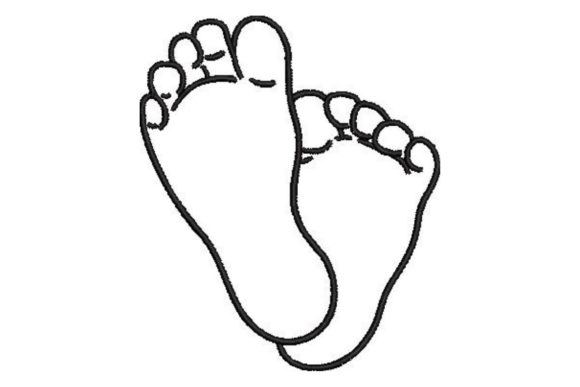
When I first opened the Baby Feet Line Art file to prepare it for a client project, I wasn't just looking at a simple outline of tiny feet. As someone who spends hours every day evaluating digital assets for commercial production and personal crafting, I look past the pretty thumbnail image to see how the design actually behaves under the needle. This piece immediately caught my eye because of its minimalist approach in a market often cluttered with overly complex florals and heavy lettering. It feels fresh, modern, and perfectly suited for the current trend toward clean, understated nursery decor and boutique baby apparel.
The visual personality of this design is all about softness without being fussy. The line work suggests a gentle, hand-drawn quality that translates beautifully into thread. For an embroidery designer, the initial mood created by Baby Feet Line Art is one of tenderness and nostalgia. It doesn't scream for attention; instead, it invites the viewer to lean in closer. This makes it an ideal candidate for high-end handmade products where the goal is to evoke emotion rather than just fill space on a garment. Whether you are creating a custom sweatshirt for a new parent or a set of matching bibs, this design sets a tone of quiet sophistication.
Real-World Application: From Screen to Stitch
I recently put this design through a practical test scenario: preparing a batch of personalized tote bags for a local boutique owner who wanted to sell them as welcome gifts for new moms. The challenge was to create something that looked professional but retained that warm, handmade feel. We chose a natural canvas tote and decided to use Baby Feet Line Art as the central motif.
The execution was smooth. Because the design relies heavily on running stitch and delicate outlines, it stitched out cleanly on the textured canvas without causing any puckering. The lack of dense fill areas meant we didn't need excessive stabilizer, which kept the bag lightweight and comfortable to carry. When the finished product arrived, the contrast between the dark thread and the natural fabric made the design pop without overwhelming the material. Customers browsing the shop immediately gravitated toward these bags, noting that they felt more "special" than standard printed tote designs. The simplicity allowed the craftsmanship to shine.
This same versatility extends to other projects. Imagine stitching this onto the chest pocket of a denim jacket for a trendy street-style look, or placing it centrally on a linen tea towel for a kitchen gift. The embroidery file handles various fabric textures well, provided the base material has enough stability. For small business owners and Etsy sellers, this kind of flexibility is gold. You can take one single asset and turn it into a tote bag design, a sweatshirt embroidery accent, or even a decorative patch, maximizing your return on investment while keeping your inventory diverse.
Performance on Challenging Materials
While Baby Feet Line Art performs admirably on stable fabrics like cotton twill, canvas, and light-weight fleece, there are specific scenarios where a designer needs to exercise caution. The beauty of the line art lies in its clarity, and that clarity can be compromised if the underlying surface is too unstable or the fabric is too thin.
If you plan to use this design on stretchy knit fabrics, such as a thin jersey t-shirt or a slouchy beanie, you must ensure you are using a high-quality cut-away stabilizer. Without proper support, the tension required to pull the threads tight could distort the delicate lines of the feet, making them look uneven or wavy. Similarly, on highly textured fabrics like bouclé or heavy corduroy, the fine details might get lost in the weave. In these cases, the design works best when paired with a larger hoop size to minimize distortion, though you may need to adjust the placement to avoid seams or bulky areas.
Dense stitch areas are generally not a concern here since the design is primarily linear, which is a significant advantage. However, if you attempt to embroider this on very dark fabric without changing the thread color strategy, the definition might suffer. Light-colored threads will show up clearly, but you must consider the thread colors carefully to ensure the design remains legible. If you are working with a commercial embroidery project where speed is essential, the low density of this file is a major plus, as it reduces machine run time compared to heavy satin stitch blocks.
Impact on Product Value and Brand Perception
In the world of handmade goods and craft business items, the quality of the design directly influences customer trust and perceived value. A sloppy stitch job or a design that looks pixelated after digitizing can ruin the reputation of a small shop. Baby Feet Line Art, when executed correctly, elevates the finished product. It signals to the buyer that the creator cares about aesthetics and precision.
For Etsy sellers and digital product sellers, the visual appeal of this design translates well into printable mockups. The clean lines make it easy to visualize on different backgrounds, helping potential buyers imagine the final result. This is crucial for online engagement. When a customer sees a crisp, well-stitched version of the design on a mockup, they are more likely to click "buy." Furthermore, the design's adaptability allows for consistent branding across a range of products, from personalized gifts to holiday embroidery collections.
The emotional connection is also key. A pair of embroidered feet evokes a sense of new beginnings and care. This makes the item highly giftable. Whether it is a wedding gift, a baby shower present, or a holiday stocking stuffer, the design carries an inherent sentimentality that resonates with recipients. It transforms a generic item into a meaningful keepsake, increasing the likelihood of repeat customers and positive word-of-mouth referrals.
Essential Designer Notes for Success
Before committing to a full production run, experienced designers know that testing is non-negotiable. Here are a few critical steps to ensure your embroidery project goes smoothly:
- Test on scrap fabric: Always run a sample on the actual material you intend to use. Check for puckering, thread breaks, and how the fabric reacts to the needle penetration.
- Review stitch density: Even though this is a line art design, check the density settings in your software. Too much density can cause the fabric to bunch up, while too little can leave gaps in the thread coverage.
- Inspect small details: Zoom in on the digital preview and the physical sample to ensure the smallest curves of the feet stitch out sharply. Tiny details are often the first to fail on difficult fabrics.
- Check thread contrast: Compare the design in black and white mockups to ensure the thread choice provides sufficient contrast against your chosen background.
- Confirm licensing: If you are selling finished items or using this as part of a design asset package, verify the license terms. Some files are for personal use only, while others allow for commercial production.
- Use proper stabilizer: Match your stabilizer type (cut-away vs. tear-away) to the weight and stretch of your fabric to maintain the integrity of the design over time.
Ultimately, Baby Feet Line Art is a versatile tool in the hands of a skilled maker. It offers a perfect balance of charm and professionalism, suitable for everything from a quick hobbyist project to a large-scale small shop product line. By understanding its strengths and limitations, you can create finished products that not only look beautiful but stand the test of time and frequent washing. For those looking to add a touch of elegance to their nursery themed collections or expand their catalog with timeless motifs, this design is a strong contender worth serious consideration.