Giraffe Applique Review for Small Business Merch
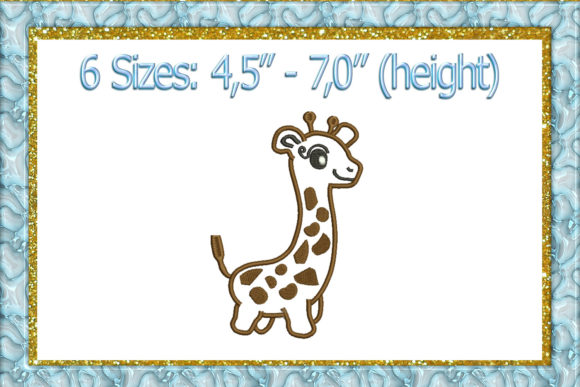
As an experienced embroidery designer who has reviewed thousands of digital files, I approach every new asset with a critical eye toward commercial viability. Today, we are looking at the Giraffe Applique, a design categorized under Baby Animals and Embroidery. The product description promises that this adorable embroidery is fun, playful, and can add a happy little accent to your next creations. While those words sound charming, my job is to determine if Giraffe Applique holds up when translated from a digital preview to a physical, branded product.
When small business owners, Etsy sellers, or apparel decorators consider a design for their inventory, they are not just buying a picture; they are investing in brand identity. Does Giraffe Applique feel professional enough for a boutique uniform? Is it playful enough for a children's bakery logo? Let's dive into how this specific design performs in real-world business scenarios.
First Impressions: Personality and Brand Fit
The initial assessment of Giraffe Applique suggests a design that leans heavily into the friendly and playful side of the market. In the world of machine embroidery design, "applique" implies a layered construction, which often adds texture and depth compared to standard fill stitches. This characteristic makes it stand out as a premium touch on items like tote bags or aprons.
For a creative studio or a handmade brand, the visual personality of Giraffe Applique is likely to resonate well with audiences seeking warmth and approachability. It does not scream corporate rigidity; instead, it whispers creativity and care. If you run a florist shop, a pet brand, or a local café, this design could serve as a perfect signature mark. However, if your brand identity relies on sleek minimalism or high-end luxury, the playful nature of a baby animal applique might clash with your visual consistency. The key is alignment: Giraffe Applique works best where the brand wants to convey joy, accessibility, and a human touch.
Real-World Application: From File to Finished Product
Let's imagine a scenario where a small boutique bakery wants to launch custom merchandise. They decide to use Giraffe Applique as a chest logo accent on their staff uniforms. Because it is an applique design, it will have a raised, tactile quality that feels substantial on fabric. This added dimension can elevate the perceived value of the finished product, making a simple work shirt feel like a piece of artisanal gear.
This same design shines when used as an embroidered patch. Many small businesses prefer patches because they can be easily swapped onto different garments or applied to hats without committing to a full chest print. Giraffe Applique could function perfectly as a cap design or a sleeve detail on denim jackets sold in a craft store. For event merch, such as a community fair or a seasonal sale, having a cohesive look with Giraffe Applique on both tote bag designs and product packaging accents creates a unified customer experience.
In the realm of digital assets, designers often create printable mockups to show clients how a design looks before production. A well-executed mockup featuring Giraffe Applique on a canvas tote or a linen apron can significantly boost buyer engagement. It helps the customer visualize the texture and scale, bridging the gap between a digital embroidery file and the tangible item they will receive.
Strategic Considerations and Limitations
While Giraffe Applique offers charm, every commercial embroidery project comes with technical constraints. As a designer, I must advise caution regarding where this design is placed. Small patch sizes can sometimes lose the intricate details of an applique design, causing the edges to blur or the layers to merge. If you plan to produce mini-branded product labels, test the design at its smallest intended size first.
Curved surfaces, such as the front of a baseball cap, present another challenge. Applique designs require flat tension to lay correctly. On a highly curved surface, the layers might pucker or lift, ruining the clean lines of the giraffe. Similarly, dark uniforms can hide the contrast needed to make the design pop unless the thread colors are carefully selected. High stitch density is another factor to watch; if the design is too dense, it may become stiff and uncomfortable on items like dresses or skirts that need to drape naturally.
Frequent washing is also a consideration for staff uniforms and apron embroidery. Applique edges must be securely stitched down to prevent fraying over time. If the stabilizer used during production is insufficient, the design might peel away after a few wash cycles, damaging the reputation of the small business. Always ensure that the design is robust enough to withstand the wear and tear of daily use.
Impact on Brand Identity and Trust
Choosing the right design assets is crucial for building customer trust. When a client sees a high-quality embroidered patch featuring Giraffe Applique on a tote bag, it signals that the business cares about details. It suggests that the brand values quality over quantity. This attention to detail translates into higher product value and reinforces the idea of a handmade product.
Conversely, a poorly executed application can lead to negative perceptions. If the thread colors do not contrast well against the fabric, or if the hoop size was too small for the design, the result can look amateurish. In a crowded marketplace, professionalism is what separates a hobbyist from a legitimate enterprise. Using Giraffe Applique effectively can enhance recognition, making your merchandise instantly identifiable to repeat customers.
Essential Designer Notes for Production
Before you commit to a bulk order of custom apparel or branded patches, follow these practical steps to ensure success:
- Test in Black and White: Convert the design to grayscale to check the balance of light and dark areas. This ensures the silhouette remains clear regardless of the thread colors chosen.
- Check Scale: Review if the design works at small patch sizes. Sometimes, details that look great on a screen vanish when reduced to two inches.
- Review Thread Colors: Ensure there is sufficient contrast between the thread colors and the fabric texture. Dark fabrics may require bright or metallic threads to make the design visible.
- Inspect Spacing: Look at the spacing between elements. Tight spacing can cause fabric puckering, while loose spacing might look unfinished.
- Confirm Hoop Size: Verify that the design fits within standard hoop sizes for your equipment. Large designs may require multiple hooping, which increases the risk of misalignment.
- Test on Real Fabric: Do not rely solely on digital previews. Stitch the design on the actual fabric you intend to use to see how the material interacts with the stitches.
- Use Proper Stabilizer: The choice of stabilizer is critical for applique work. Heavy-duty stabilizers may be needed for thick fabrics like denim, while lighter options suit home decor items.
- Create a Mockup: Use a printable mockup for client approval before starting production. This prevents costly errors and ensures everyone is on the same page.
- Compare Assets: Place Giraffe Applique beside other design assets in your collection to ensure visual consistency across your entire line of merchandise.
- Confirm Licensing: Most importantly, confirm commercial licensing terms. Ensure you have the legal right to use this digital embroidery file for selling finished products.
By following these guidelines, you can transform the playful concept of Giraffe Applique into a sophisticated tool for your small business merch strategy. Whether you are decorating caps, creating unique apron embroidery, or launching a line of baby animals-themed accessories, taking the time to evaluate the technical aspects ensures a successful outcome.
Remember, the goal is to create a finished product that reflects the quality of your brand. With careful planning and attention to stitch density and fabric texture, Giraffe Applique can become a standout feature in your catalog of design assets.