Straw Beach Hat: A Designer's Review for Business Merch
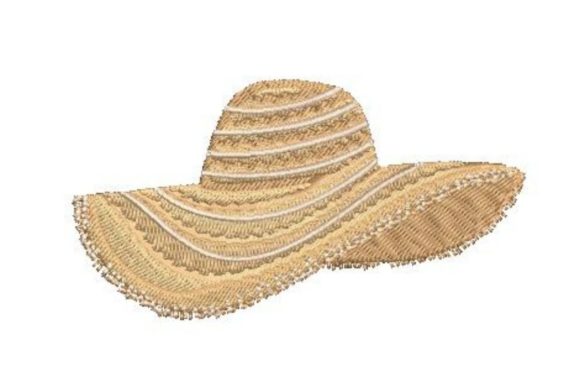
As an experienced embroidery designer who has reviewed thousands of digital assets, I approach every new file with a critical eye focused on commercial viability. Today, I am reviewing the Straw Beach Hat design with a specific focus on its application for small business merchandise and branded patch use. The product description invites us to "Let the summer begin" and suggests stitching this cute design on a nice top or t-shirt. While that is a valid use case, my review will explore how this machine embroidery design performs when scaled up for professional brand identity, staff uniforms, and high-volume production.
First Impressions: Personality and Brand Fit
The title Straw Beach Hat immediately sets a tone of leisure, warmth, and approachability. When combined with the phrase "cute design," it suggests a visual personality that is playful yet inviting. For a small business owner, this is crucial. This design does not scream corporate rigidity; instead, it whispers "handmade product" and "local charm." It feels rustic, modern, and perfectly suited for brands that want to project a friendly, customer-centric image.
In terms of visual weight, the design likely balances well between bold and decorative. If your brand is a boutique, a creative studio, or a local bakery, this embroidery file offers a soft entry point into branded apparel. It avoids being overly aggressive, making it ideal for items where you want to enhance the garment without overwhelming the fabric texture. However, if you are looking for a stark, minimalist logo for a high-end tech startup, this might feel too casual. But for those in the beach category, lifestyle sectors, or handmade markets, the vibe is spot-on.
Real-World Application for Small Business Merch
Imagine a scenario where a small café or a florist shop wants to launch a summer collection. They need more than just a sticker; they need tangible assets that build trust and recognition. The Straw Beach Hat design shines here as a versatile asset for various touchpoints.
- Embroidered Patches: One of the strongest applications for this design is creating custom patches. Whether applied to denim jackets, canvas bags, or limited-edition tote bags, a stitched patch adds immediate perceived value. The design works beautifully as a chest logo accent or a sleeve detail, giving a uniform look to staff while maintaining a unique flair.
- Cap Embroidery: Given the title references a hat, using this design on caps is a natural fit. It can serve as the central focal point on a baseball cap or a subtle side detail on a bucket hat. This is excellent for event merch or promotional giveaways at trade shows.
- Apron Embroidery: For bakeries, coffee shops, or craft studios, aprons are the ultimate work uniform. Stitching the Straw Beach Hat design on the bib or pocket area creates a cohesive brand experience. It signals to customers that the staff takes pride in their work and that the business cares about aesthetics.
- Tote Bag Design: Canvas totes are a staple for Etsy sellers and market vendors. This design translates well onto the sturdy fabric of a tote bag, acting as a walking advertisement for the brand. It reinforces the idea of a handmade product and encourages repeat purchases.
Where to Exercise Caution
While the design has strong potential, an experienced designer knows that not every surface is suitable for every pattern. There are specific scenarios where the Straw Beach Hat design requires careful consideration to avoid production headaches.
First, consider the scale. If you intend to use this design as a tiny patch on a collar or a small label on a tag, be wary of intricate details. Small patch sizes often suffer from thread bleeding and loss of definition. If the design features fine outlines or tiny lettering, it may become muddy when reduced below one inch in height.
Second, evaluate the stitch density. High stitch density is necessary for durability, but it can make fabric stiff. On thin materials like certain summer tops or lightweight tees, excessive density can cause puckering, ruining the finished product. Additionally, curved surfaces like the front of a cap require a specific digitizing approach. If the design is not optimized for curvature, the stitches may pull or distort, leading to an unprofessional appearance.
Fabric texture is another factor. Textured fabrics, such as heavy linen or boucle, can hide the crispness of the embroidery. Furthermore, dark uniforms present a challenge regarding thread color contrast. If the design relies on light threads against a dark background, ensure the underlay is sufficient to prevent show-through. Finally, items that undergo frequent washing, such as work shirts or aprons, must be tested for colorfastness and stitch integrity over time.
Impact on Brand Identity and Customer Trust
Every stitch tells a story. When you choose to use the Straw Beach Hat design for your small business merch, you are making a statement about your brand's values. A high-quality embroidered patch or logo conveys professionalism and longevity. It suggests that you have invested in your products and care about the details.
This level of quality directly influences buyer engagement and brand recognition. Customers are more likely to trust a business that presents itself with consistent, polished visual assets. When a client sees a neatly stitched embroidered patch on a tote bag or a uniform, it elevates the entire product line. It transforms a simple item into a piece of branded merchandise that customers want to wear or carry proudly.
Moreover, the "cute" and "summer" vibe of this design fosters an emotional connection. It evokes feelings of relaxation and joy, which can transfer to the customer's perception of your business. In a crowded marketplace, these subtle emotional cues can be the difference between a one-time purchase and a loyal following.
Practical Notes for the Embroidery Designer
Before committing to a large production run, there are essential steps any professional should take. First, test the design in black and white. This helps you visualize the stitch density and spacing without the distraction of color. Check if the design remains legible and distinct at the smallest size you plan to produce.
Review the thread colors carefully. Ensure there is enough contrast between the design elements and the base fabric. Inspect the spacing within the design to ensure no elements are too close together, which could lead to thread breaks. Confirm the hoop size requirements by checking the digital embroidery file specifications; you do not want to find out mid-production that the design exceeds your machine's capabilities.
Always test on real fabric rather than paper. Fabric behaves differently than paper, and the interaction between the needle, thread, and material is critical. Use proper stabilizer to support the fabric and prevent distortion. Create a printable mockup for client approval before cutting fabric; this saves money and ensures everyone is aligned on the vision.
Compare this design alongside other design assets in your library to ensure visual consistency across your product range. Finally, confirm the commercial licensing terms. Just because you own the embroidery file does not always mean you have the right to sell items produced with it. Verify that you have the necessary permissions for commercial embroidery projects.
By following these guidelines, you can maximize the potential of the Straw Beach Hat design. Whether you are creating custom apparel, branded patches, or unique accessories, a thoughtful approach to digitizing and production will result in a superior finished product that stands out in the market.